🕋 Serving since 2008
Experience the Blessings of Umrah & visiting the Prophet ﷺ
We aim to make your Umrah journey guided with care, spiritually uplifting, and deeply meaningful
— a true Journey of the Heart ❤️
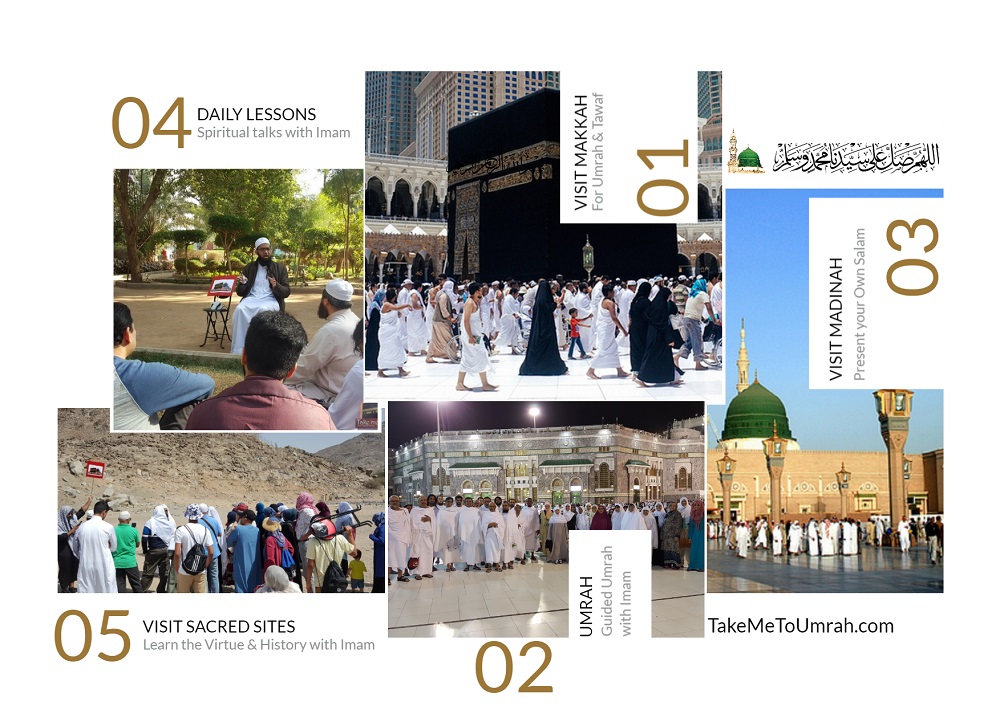
- Guided Umrah
- Spiritually Focused
- Sacred Visits in Makkah & Madinah
- Premium Hotels & Transport
- 24/7 Leaders available
- Worry Free Umrah
We will call you to confirm your seats
Join us on our next Trip InshaAllah
We simplify your journey, make planning stress-free, and provide a spiritually enriching experience.
Book your Umrah package below and travel with us for a meaningful Umrah, insha Allah.
- Guided Umrah with group leader
- Sacred visits in Makkah & Madinah
- 10 DAYS UMRAH
RAMADAN UMRAH
- Mar 11, 2026 - Mar 20, 2026
- 5 Star closest Hotels with Breakfast
- Package (A) and (B) available
- 10 DAYS UMRAH
SHAWWAL UMRAH
- Mar 25, 2026 - Apr 5, 2026
- 5 Star closest Hotels with Breakfast
- Package (A) and (B) available
- 10 DAYS UMRAH
AUGUST UMRAH
- Aug 19, 2026 - Aug 29, 2026
- 5 Star closest Hotels with Breakfast
- Package (A) and (B) available
- 10 DAYS UMRAH
OCT UMRAH 2026
- Oct 21, 2026 - Oct 31, 2026
- 5 Star closest Hotels with Breakfast
- Package (A) and (B) available
- 10 DAYS UMRAH
DEC UMRAH 2026
- Dec 22, 2026 - Jan 2, 2027
- 5 Star closest Hotels with Breakfast
- Package (A) and (B) available
- ﷽
Embark on a spiritual journey of a lifetime with Take Me To Umrah 🕋
With 17 years of dedicated Umrah trip experience, we are your trusted partner in your Journey. Our unwavering commitment to support and care for our guests is at the heart of everything we do. We prioritize group safety and cater to the unique needs of families and individuals travelling alone.
At Take Me To Umrah, our Umrah Packages cater to everything so you can focus on Ibadah. We aim to provide the best Spiritual & Educational experience of Umrah with religious guidance & visits to Sacred sites in Makkah & Madinah in accordance with the Sunnah of Prophet Muhammad صَلَّى اللَّهُ عَلَيْهِ وَسَلَّمَ
This Journey as we undertake brings forth to us countless opportunities and exceptional experiences a believer longs for, but the prime objective of it is to increase oneself in the knowledge of Deen, visit the sacred sites of the Holy cities of Makkah and Madinah, reach the spiritual heights and attain the religious transformation which ultimately draws a person closer to Allah.
لبيك اللهم لبيك لبيك لا شريك لك لبيك إن الحمد والنعمة لك والملك لا شريك لك
Here I am at Your service O Lord, here I am. Here I am You have no partners Here I am, Indeed all praise and the favour is Yours, and the dominion. You have no partners.
Abu Hurairah رضي الله عنه reported: The Messenger of Allah صلى الله عليه وسلم said, “(The performance of) ‘Umrah is an expiation for the sins committed between it and the previous ‘Umrah; and the reward of Hajj Mabrur (i.e., one accepted) is nothing but Jannah.” [Bukhari and Muslim].
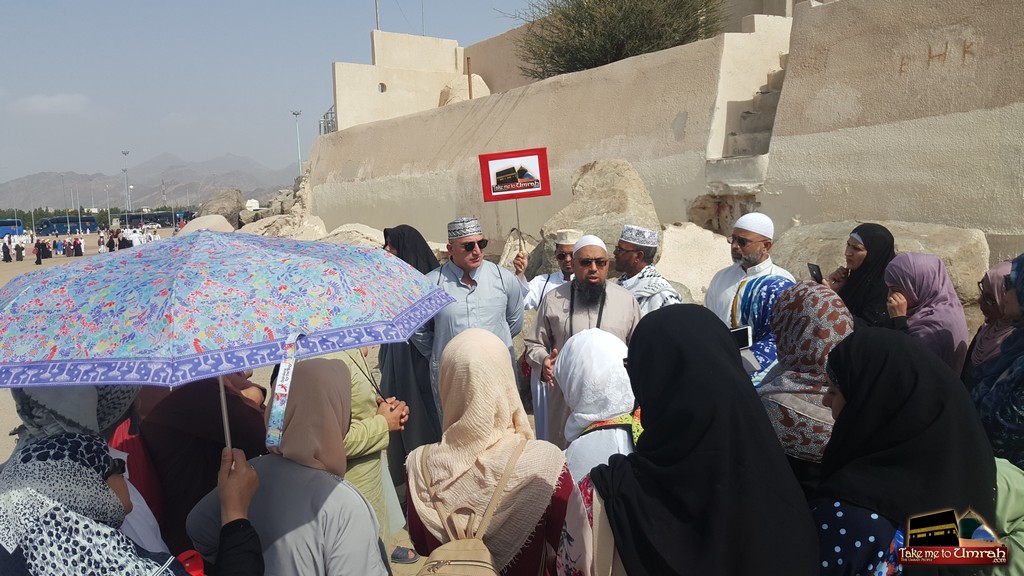
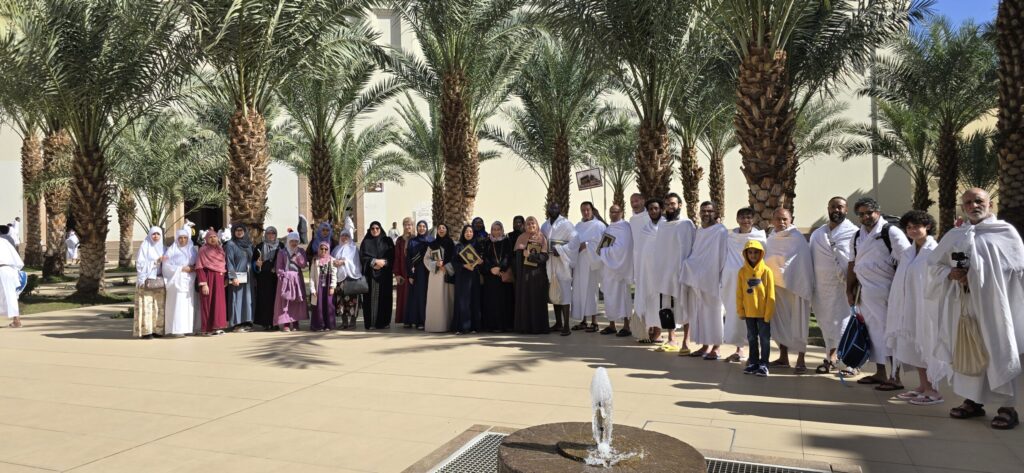
17 Years of Trust, Care & Service Honor for the Guests of Allah SWT
Brother Amin
Dec Umrah

(5/5)
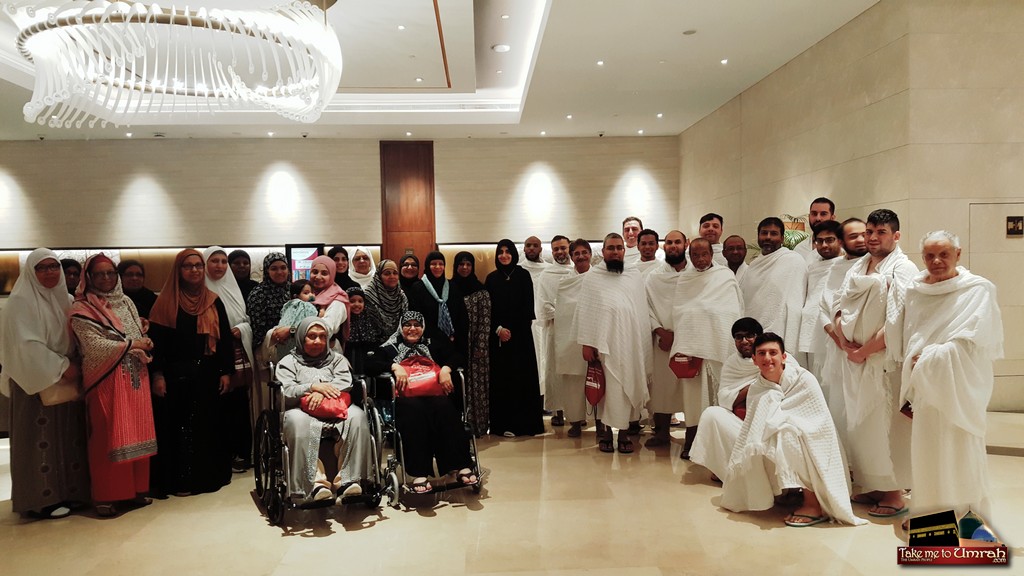
When you start this trip you meet with a group of strangers from different parts of Canada. And through out your umrah you start to build a spiritual connection with them.
Haleema Mustafa
April Umrah
(5/5)
Amazing and unforgettable trip alhumdulillah, will definitely be recommending this group to others.
Posted onTrustindex verifies that the original source of the review is Google. My parents and I were impressed by how detail oriented brother Inam was and his attention to detail in ensuring that everyone was kept informed and happy throughout the journey was highly commendable. Truly deserving of all 5 stars. The hotels provided in Makkah and Medina exceeded our expectations in terms of proximity to the Harams, food, cleanliness and turnaround time in addressing any concerns. If you are doubtful of your pick with this group , I hope this review can change your mind. Go for it! You will not regret an umrah journey with TMTU. As a first timer with TMTU I was skeptical at first, but so very glad that I gave it the benefit of the doubt as it paid off in heaps. Brother Inam was also very patient to accommodate all our complicated customizations to the itinerary until the last minute and always picked up my phone calls with optimism. A trait that is severely lacking in the industry these days.Posted onTrustindex verifies that the original source of the review is Google. Exceptional Umrah Experience – Truly Above and Beyond! Our Umrah trip was organized by take me to umrah amazing travel agency, and they exceeded our expectations in every possible way. From the moment we contacted them until we safely returned home, their professionalism, guidance, and dedication were outstanding. Every detail was carefully handled ; flights, hotels, transportation, ziyarat tours everything was seamless and stress-free. They were always available to answer our questions, provided clear instructions, and supported us throughout the entire journey. Br Inam went above and beyond to ensure we had a spiritually fulfilling and comfortable Umrah experience. We are extremely grateful and highly recommend this agency to anyone planning Umrah. Truly a 5 star service . May Allah bless their team for helping us complete our Umrah with ease and peace. AmeenPosted onTrustindex verifies that the original source of the review is Google. Amazing experience with TakemeToUmrah. They handled everything with care , passion and professionalism. Brother Inam was always available, kind, and helpful. May Allah reward them for making our Umrah so easy, affordable and comfortable. Highly recommended for all the brothers and sisters, individuals and families alike.Posted onTrustindex verifies that the original source of the review is Google. Alhamdulillilah no complaint from beginning to end it was a pleasure traveling with take me to umrah.com brother Inam is on top of things always.Posted onTrustindex verifies that the original source of the review is Google. Très bonne organisation et logistique avec un bon accompagnement spirituel Je recommande surtout pour une première expériencePosted onTrustindex verifies that the original source of the review is Google. Outstanding!Posted onTrustindex verifies that the original source of the review is Google. It was a very comfortable and smooth journey with take me to Umrah. Great experiencePosted onTrustindex verifies that the original source of the review is Google. Salamou aleykoum J’ai effectué la Oumrah avec ce groupe en mars 2022 et j’ai beaucoup apprécié l’organisation, la proximité des logements avec la mosquée et les hôtels et repas. Comparativement aux deux hadj que j’avais déjà effectués, j’avoue que la différence était de taille avec ce groupe: Réunions, conseils, groupes, explications, tout est pris en compte et savamment orchestré. Merci à l’Imam Inam Hamed et son équipe. Qu’Allah les rétribue pour ce beau travail.Posted onTrustindex verifies that the original source of the review is Google. Takemetoumrah is a serious business organizing travels to the Muslim holy places. With their experience, they offer peace of mind about logistics and travel requirements. I have no hesitation recommending them. May Allah accept your duaas and prayers.
Guest Trip Feedback
Take Steps Towards a Spiritual Journey - Read More +
Take Steps Towards a Spiritual Journey
At Take Me to Umrah, we recognize that performing Umrah represents far more than ordinary travel, it’s answering a divine summons to Allah’s sacred sanctuary. Unlike other pilgrimage companies, we provide personalized companion services because we understand this journey requires spiritual preparation beyond logistical arrangements. A Journey Through Time and Eras
While not obligatory like Hajj, Umrah holds deep significance for Muslims worldwide as an opportunity to follow the Prophet Muhammad’s ﷺ Sunnah and reconnect with Islamic roots. Whether you’re going on this sacred voyage for the first time or returning to deepen your connection with Allah SWT, our team ensures your experience becomes spiritually fulfilling. We facilitate every aspect so you can focus purely on worship and self-reflection during this insightful act of religious zeal.
A Journey Through Time & Seerah Of The Prophet’s ﷺ
Walking where Prophet Ibrahim (AS) established the Kaaba’s foundations offers incomparable spiritual significance. The knowledge that you’ll stand where he stood – where, centuries later, Prophet Muhammad ﷺ revived the pure rites of worship creates profound humility in every believer’s heart. The Prophet’s ﷺ demonstration of perfect devotion during his Umrah journeys established timeless examples of submission to Allah that still drive pilgrims today.
Did you know? The first Umrah attempt in 6 AH, known as Umrat al-Hudaybiyah, holds particular historical significance. When prevented from reaching Makkah by Mushrikeen, Prophet Muhammad ﷺ showed exemplary patience and wisdom. His peaceful resolution was sacrificing camels and having companions shave their heads to exit the state of ihram. These established crucial examples of determination in faith. These events remind pilgrims of today that spiritual journeys may involve tests requiring patience and trust in Allah SWT.
Our guided tours incorporate these historical insights, helping you connect each ritual to its rich religious context. When you perform Sa’i between Safa and Marwa, you retrace the steps of Bibi Hajar’s (RA) desperate search for water, making every action connect with layers of sacred meaning across Islamic history.
Why Go On Umrah?
Unlike recreational travel, Umrah represents a spiritual transformation. It is an opportunity to shed worldly attachments through the simplicity of wearing ihram. This sacred journey offers believers a unique chance to reconnect with their life’s purpose while standing where prophets stood and angels descend.
The emotional impact of seeing the Kaaba for the first time can’t be explained in words. Most pilgrims find themselves overcome with uncontrollable tears. They are not tears of sadness but of deep spiritual awakening and connection. In Masjid al-Nabawi’s serene courtyards, many report experiencing extraordinary inner peace.
Modern research in religious studies confirms what Muslims have known for centuries because of the Quran: Pilgrimage experiences leave lasting effects on your personality. The combination of physical exertion, spiritual focus, and removal from daily routines produces a state that can’t be explained. But it helps you grow as a person.
Our Umrah packages facilitate this transformation by removing logistical distractions. We handle travel complexities so you can immerse fully in worship, whether performing tawaf under the Kaaba’s majestic sight or making dua where the Prophet ﷺ once prayed. From assuming ihram to the final tawaf, every step follows a divine pattern meant to uplift the soul.
Virtues and Rewards of Umrah
The spiritual benefits of Umrah are obvious through every Islamic source, be it the Quran, Sunnah or Hadith book, offering believers multiple dimensions of reward:
Expiation of Sins
The Prophet ﷺ declared:
“The performance of one Umrah to another serves as atonement for sins committed between them” (Bukhari, Muslim).
This purification effect makes Umrah particularly valuable for Muslims seeking forgiveness.
Women’s Spiritual Equal of Jihad
For female believers, Umrah represents an exceptional form of worship. The Prophet ﷺ identified it as:
“The jihad of women, the elderly, and the young is Hajj and Umrah” (Sunan an-Nasa’i 2626).
Barakah in Sustenance
Contrary to worldly perspectives that view religious expenditure as economically unproductive, the Prophet ﷺ noted:
“Perform Hajj and Umrah in succession, for they remove poverty and sins as the blacksmith’s bellows removes impurities from iron” (Sunan Ibn Majah 2887).
Many pilgrims report unexpected financial blessings after their journey. This is the real truth of Islam.
Following the Sunnah of the Prophet ﷺ
By performing Umrah, Muslims reconnect with the legacy of Ibrahim (AS) and Ismail (AS) while following Muhammad’s ﷺ perfect example. Each ritual, from the talbiyah recitation to the ramal walk, is according to Sunnah practices.
Ramadan’s Exceptional Reward
The Prophet ﷺ told a companion:
“When Ramadan comes, perform Umrah, for Umrah in Ramadan equals Hajj with me” (Bukhari 1863).
This extraordinary fact shows Allah’s special mercy during the blessed month.
Our educational guides help pilgrims maximize these benefits by understanding each ritual’s significance. We provide references with authentic duas for each stage of Umrah, helping believers connect more deeply with every action.
Sacred Visits During Umrah
Beyond the core rituals, Umrah offers opportunities to visit sites saturated with Islamic history. Our guided tours provide insights on these locations’ significance:
Makkah’s Sacred Sites
- Jabal al-Noor: Where the first Quranic revelations descended in Hira Cave
- Jannat al-Mu’alla: Burial site of many Sahaba and the Prophet’s ﷺ ancestors
- Masjid al-Jinn: Where a group of jinn embraced Islam
Madinah’s Historical Locations
- Rawdah al-Sharifah: The blessed garden between the Prophet’s ﷺ mimbar and home
- Quba Mosque: Islam’s first mosque, where the Prophet ﷺ laid its foundations
- Uhud Mountain: Site of the historic battle containing the martyrs’ cemetery
Each visit includes scholarly explanations connecting these places to Quranic verses and hadiths. Our guides ensure that you get enough time to enjoy each location properly. For Rawdah visits in particular, we provide special guidance on etiquette and optimal times for prayer in this blessed space.
Facilities Our Umrah Packages Include:
We offer Umrah packages from Canada, including Toronto, Vancouver, Ottawa and Montreal, so that you can enjoy this amazing journey in a budget-friendly and restful stay. Every package is customizable. However, the Umrah packages from Canada 2025 include:
- 5-star accommodation: All of our Five-star hotels are within walking distance from the Haram. Stay in a hotel that suits your comfort and budget.
- Direct or connecting flights: We provide both direct and connecting flights to Saudi Arabia.
- Umrah visa assistance: The best thing about our Umrah visa from Canada is that you get a visa and assistance from our team.
- Transportation: Need a smooth journey from Mecca to Madinah? Our reliable transportation services have you covered
- Food: Breakfast is available daily at the hotel
- Guides and Group Leaders: We have an experienced team of guides and team leaders who can assist you at every step of your journey.
Our transportation services include luxury coaches with onboard Wudu facilities for the Madinah-Makkah transfer. For dining, we offer customizable meal plans that accommodate dietary restrictions while ensuring halal excellence.
Choosing our Umrah packages Umrah from Canada means signing up for a smooth, spiritually awakening and meaningful journey. We take care of everything so you can focus on your ibadah.
Booking Your Transformative Journey
Preparing for Umrah requires both spiritual and practical readiness. We recommend beginning with sincere repentance and resolving unresolved disputes. Physically, practice walking long distances and familiarize yourself with Umrah rituals through our pre-departure workshops.
Pack practically with:
- Lightweight ihram sets
- Comfortable sandals/ footware
- Folding prayer mats
- Rehydration supplements
- Water bottle
Most importantly, arrive with an open heart, ready for transformation. Our team remains available 24/7 during your journey to address any needs, allowing you to focus entirely on worship. Contact us today to begin planning your sacred voyage – whether for Ramadan’s special blessings or any season of spiritual renewal.